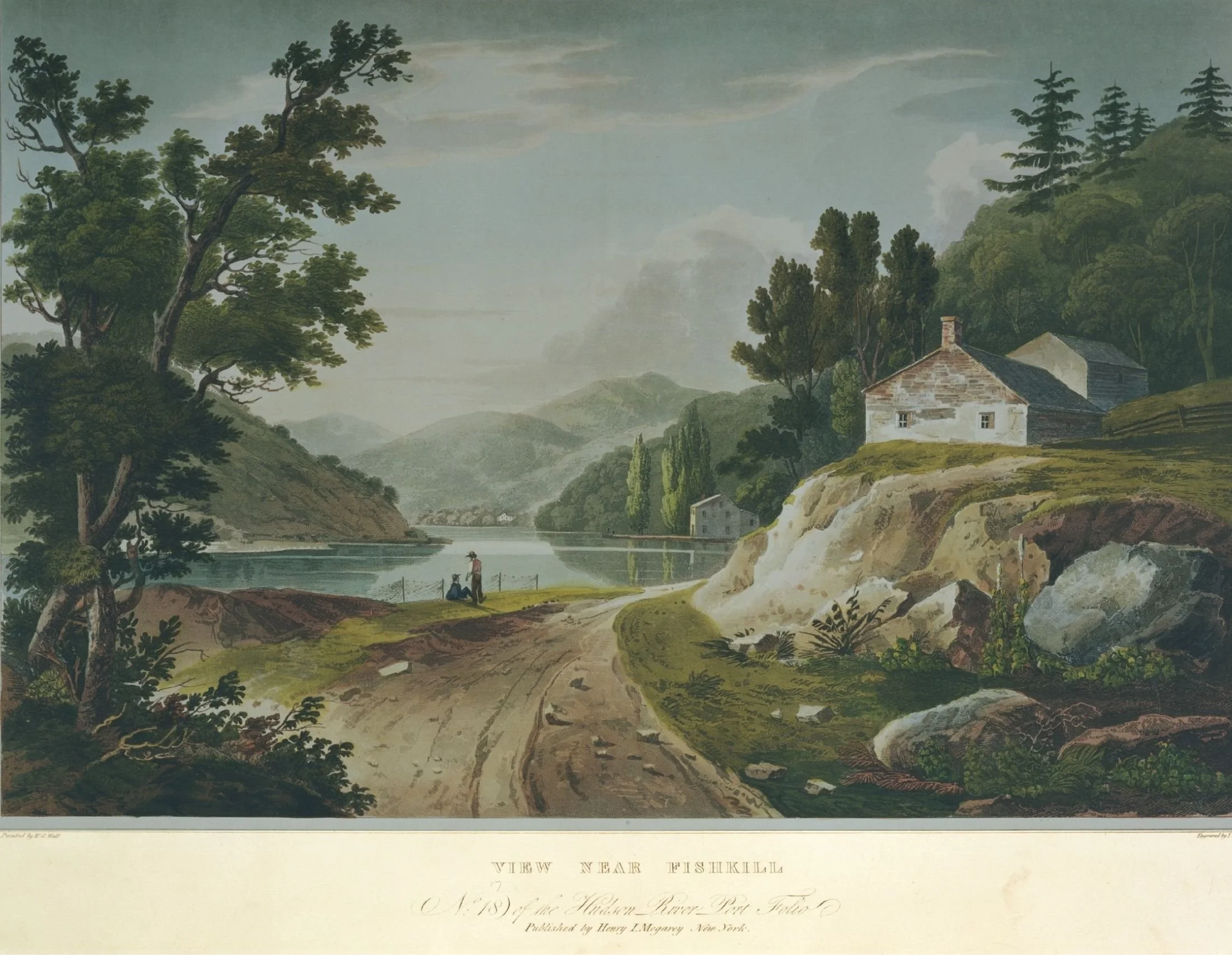
Discover the Places
that Shaped Phebe’s Story
History comes alive when you can stand where it happened. Explore the homes, churches, roads, and landmarks of Fishkill that formed the backdrop of Phebe Brinkerhoff's childhood during the American Revolution. Many of these sites remain today, connecting the present with a remarkable past.
Explore Phebe’s Fishkill
The wax seal marks her home. The keys unlock the rest of her story — click to explore.


Source: New York State Archives. New York (State). State Engineer and Surveyor. Survey maps of lands in New York State, ca. 1711-1913. Series A0273-78, Map #231.
Beyond the map lies the world Phebe knew by heart. From the family homestead to the village church, the bustling crossroads, and the banks of Fishkill Creek, these are the places that shaped her daily life. Many still stand today, offering a remarkable connection to the young girl whose story unfolds in Phebe's War.
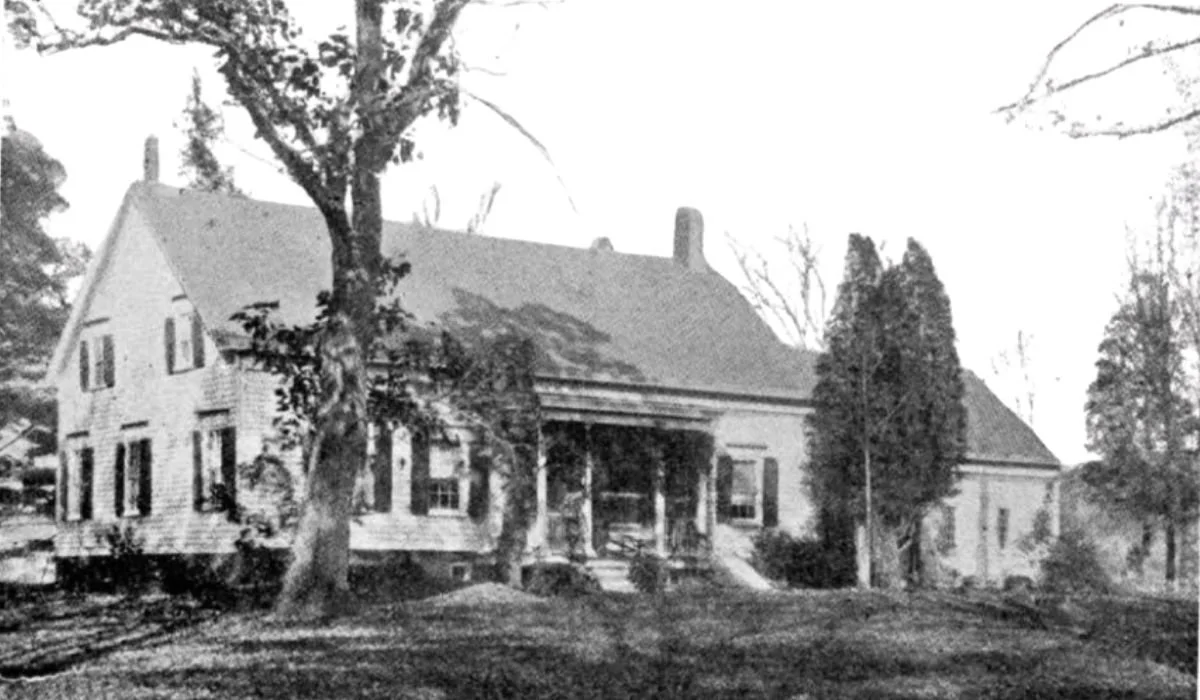
The Brinkerhoff Home
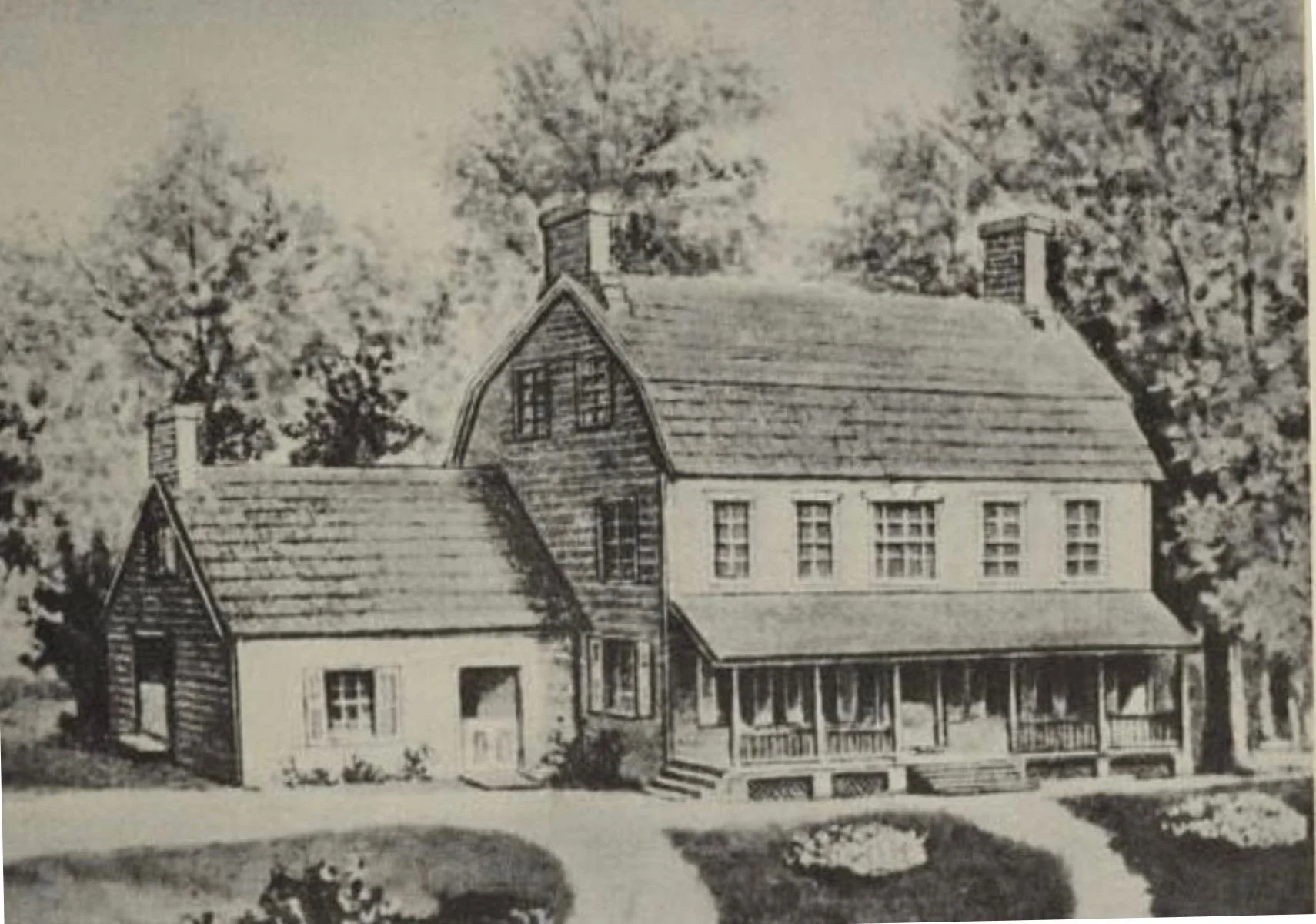
More than two centuries ago, this was the heart of Phebe's world. Built by her grandfather, Abraham Brinkerhoff, and expanded by her father before the Revolutionary War, the house stood as both a family home and a quiet witness to history.
Here, the Marquis de Lafayette spent several weeks recovering from illness in an upstairs southeast room before rejoining General Washington's army. Within these walls, Phebe's childhood unfolded against the backdrop of a nation fighting for independence.
Star Mill
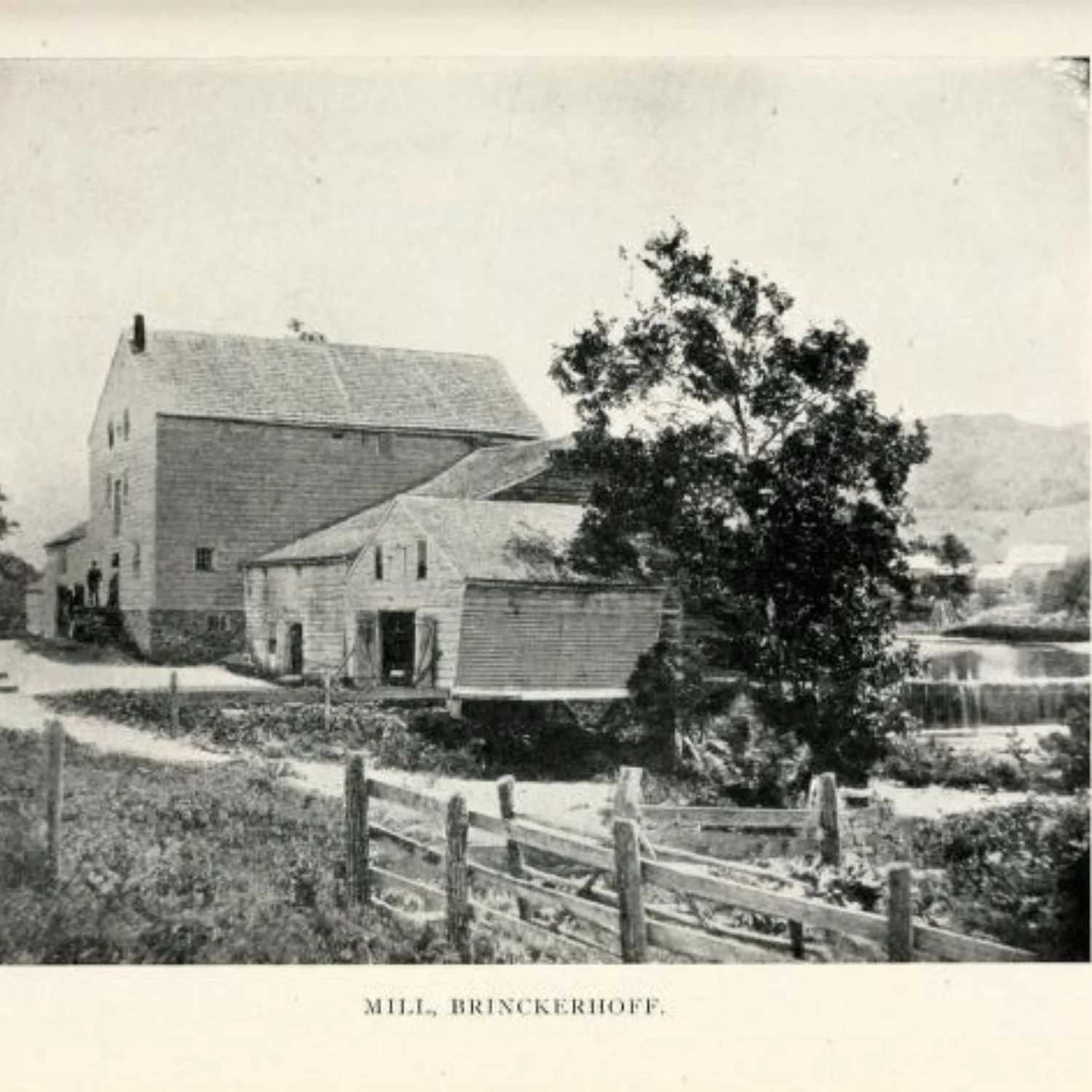
This Brinkerhoff-owned grist mill was built by Phebe’s grandfather, Abraham Brinkerhoff, in about 1735 along Fishkill Creek. The mill was vital to the community and later to the American cause. After it burned in 1777, General George Washington ordered it rebuilt to supply flour for the Continental Army encamped in Fishkill, making it an important part of the Revolutionary War effort.
Hopewell Dutch Reformed Church
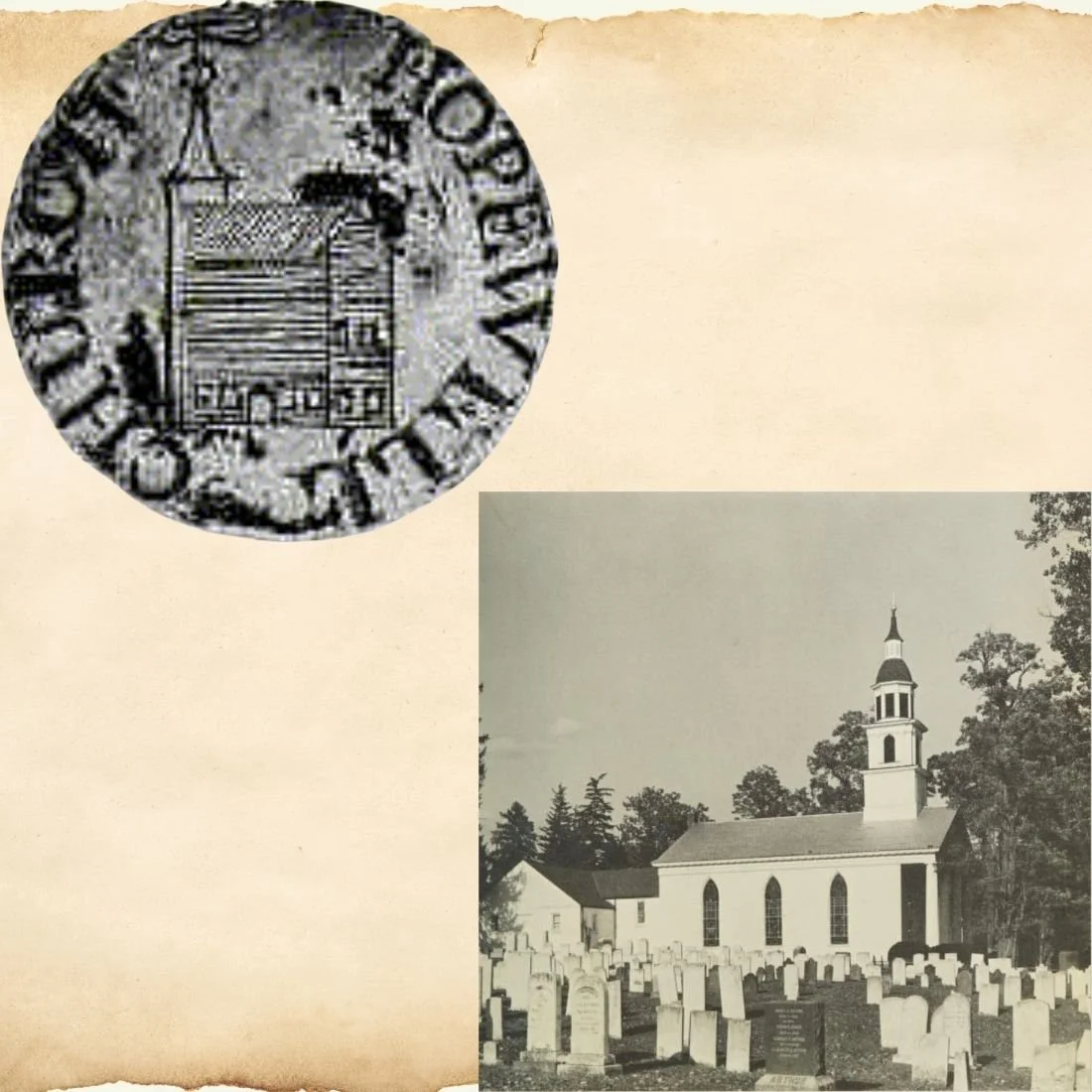
The Hopewell Dutch Reformed Church was first completed in 1764, as shown in the left image in the church seal. In 1771, Phebe’s father, Dirck, donated the steeple bell, earning his family first choice of a pew—an ownership passed down through generations. That same year, 35 seven-seat pews replaced the congregation’s original raised wooden plank seating.
The original church was later demolished and replaced in 1834 by the building shown at right. The Hopewell Dutch Reformed Church—where Phebe’s family worshiped—still stands today. Phebe is buried in the church cemetery.
Trinity Church
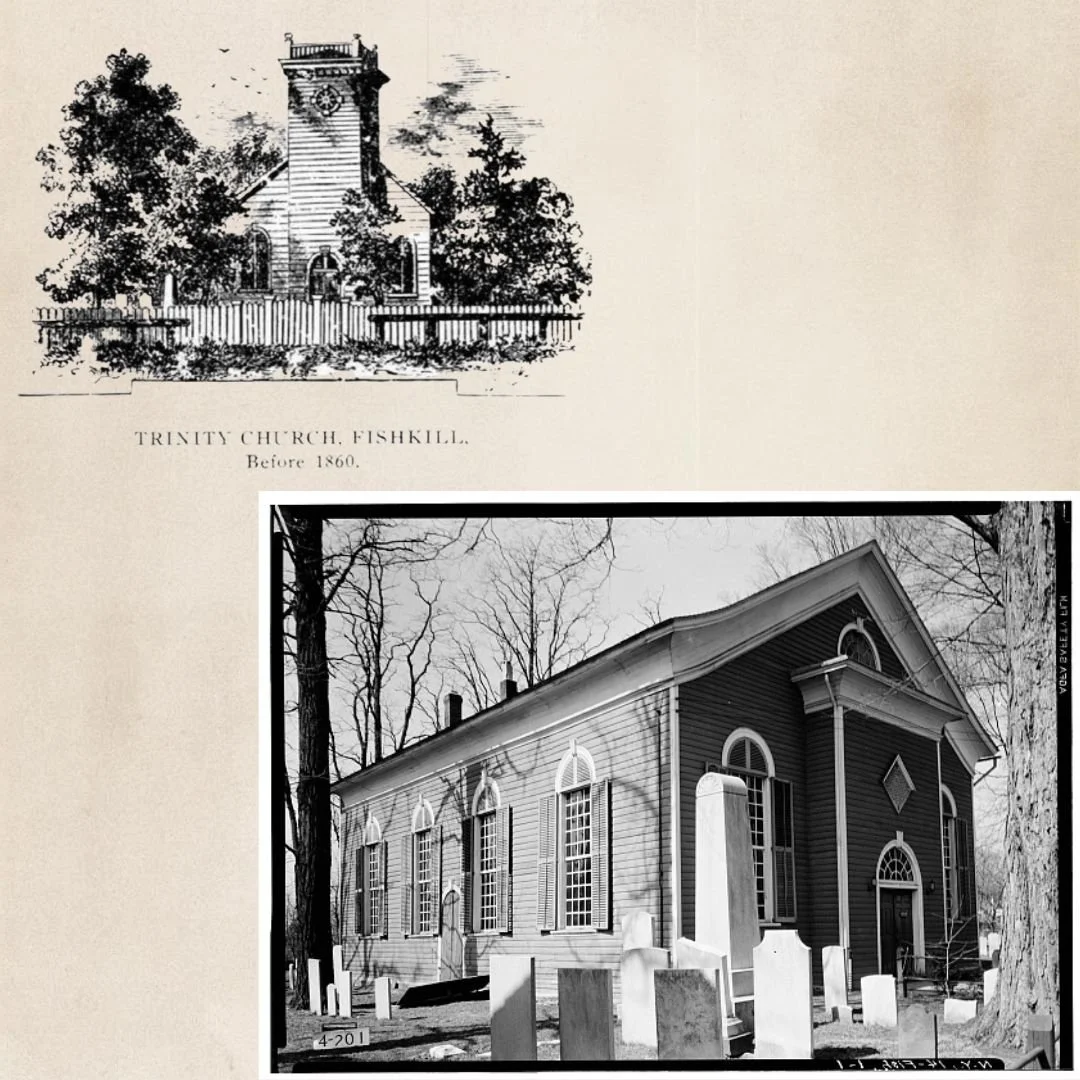
Trinity Church (Church of England) was completed about 1768–1769. Services ended in 1776 when its Loyalist rector, the Reverend John Beardsley, left for British-occupied New York City.
In early September 1776, the New York Provincial Convention fled to Fishkill and first met in Trinity Church. Finding the building unsuitable—lacking windows, seating, and fouled by birds—the delegates quickly moved to the Dutch Reformed Church.
As Fishkill was a major Continental Army supply depot and headquarters, Trinity was converted into a military hospital. By April 1777, a smallpox epidemic had broken out, and both the barracks and the church were filled with the sick. By December 1778, General McDougall was informed that the facilities were “so crowded with the many sick that their condition was rendered deplorable.”
Fishkill Dutch Reformed Church
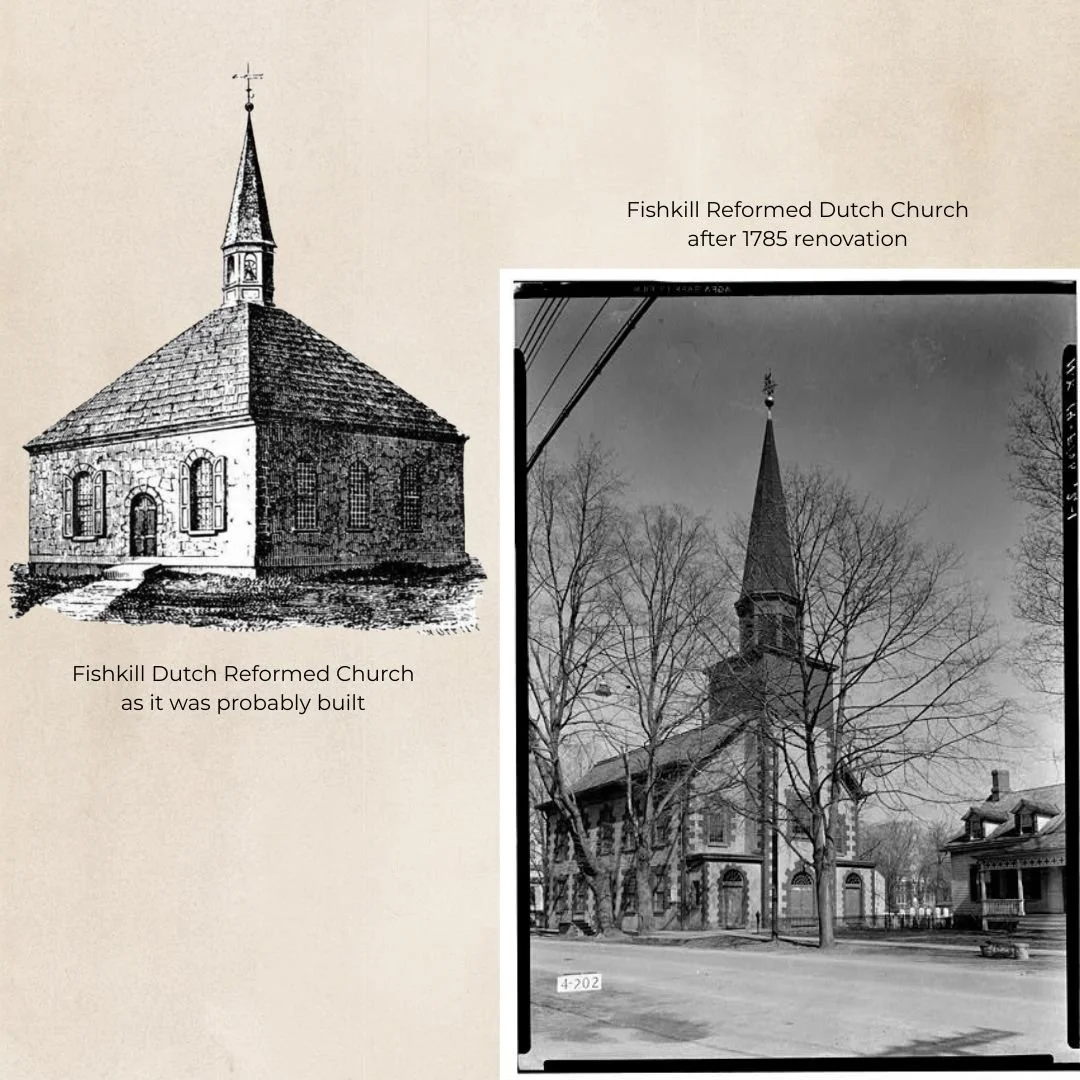
Organized in 1716, the Fishkill Dutch Reformed Church began building its original stone sanctuary in 1725. Local residents and their slaves constructed it over seven years, hauling fieldstone by ox team. The original church is shown in the image at left.
During the Revolution, the church hosted the Fourth New York Provincial Congress and later served as a Continental Army prison for Loyalists (Americans loyal to the British Crown). Patriot agent Enoch Crosby, the inspiration for James Fenimore Cooper’s The Spy, was held here before being allowed to escape to preserve his cover.
After the war, the sanctuary was enlarged east and west, and a second story, tower, and steeple were added. The historic church still stands today (photo at right).
Griffin’s Tavern (“The Rendezvous”)
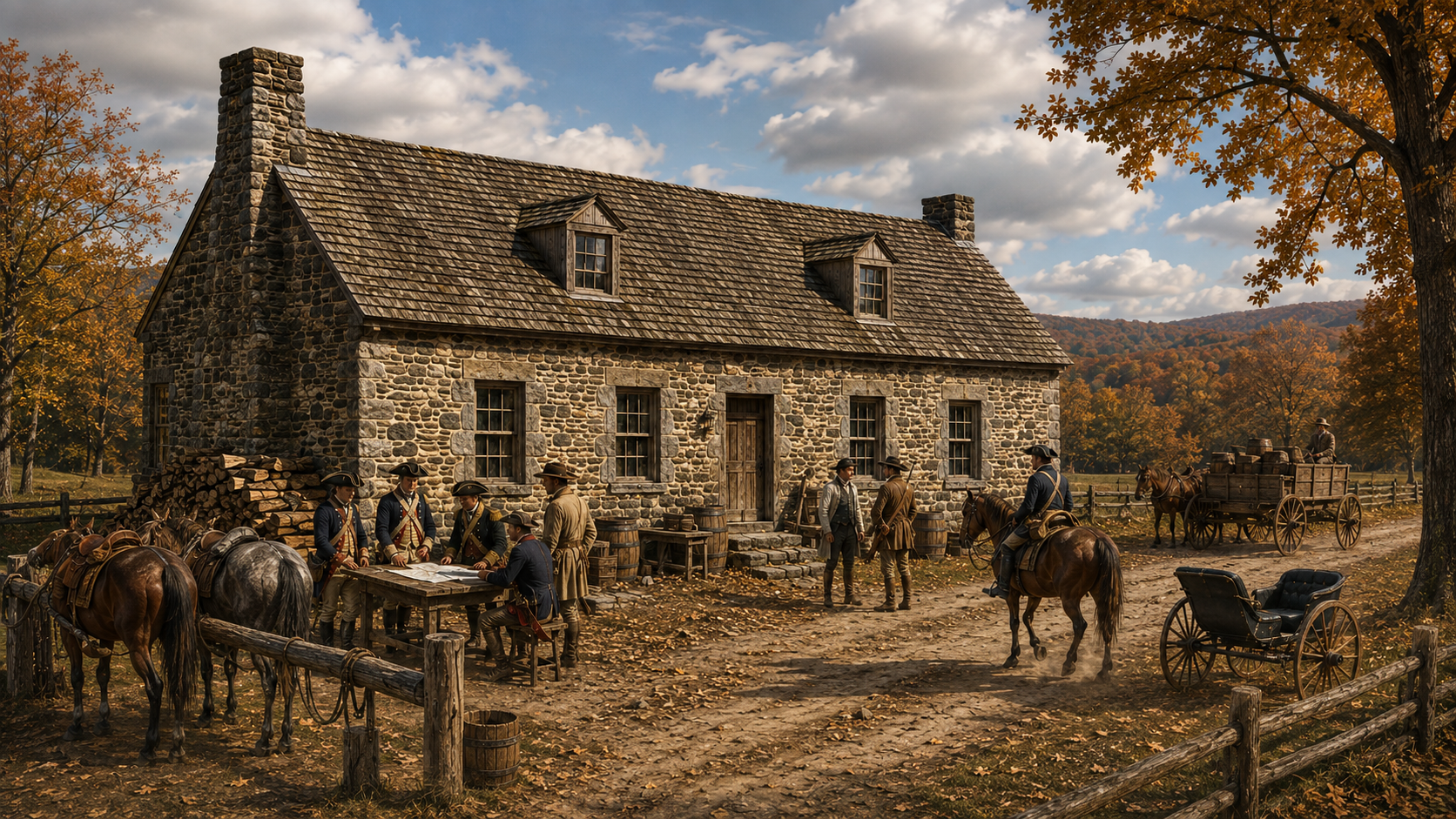
A historical reconstruction of The Rendezvous, the Revolutionary War–era stone tavern owned and operated by Colonel Jacob Griffin. Built around the 1740s, the tavern became a vital gathering place for the Committee of Observation of the Rombout Precinct, where, in July and August 1775, hundreds of residents gathered to sign the Articles of Association, pledging their support for the Continental Congress.
Its strategic location near the Fishkill Supply Depot made The Rendezvous a frequent stop for military leaders including George Washington, the Marquis de Lafayette, Israel Putnam, Baron von Steuben, and French officer Chastellux. Griffin himself rose from captain in 1775 to lieutenant colonel during the Revolution. Though no longer standing, the Tavern stands in memory as a powerful symbol of Fishkill's patriot movement and the local people who helped turn resistance into revolution.
Fishkill Supply Depot
The Van Wyck Homestead was the home of Isaac Van Wyck and served as officers’ headquarters for the Fishkill Supply Depot during the Revolution. The house also housed the Quartermaster Department, which outfitted Continental troops with clothing and supplies. It was here that Phebe came to request buttons for the uniforms the local women were sewing.
The depot itself was a major logistical hub—one of the largest and longest-operating supply centers in the North during the war. Stretching across roughly 70 acres south of the village, it included barracks for thousands of soldiers, workshops, storehouses, an armory, a hospital, a powder magazine, and stables. From 1776 to 1783, this “military city” kept the northern army supplied with food, clothing, equipment, and munitions while helping secure the strategic Hudson Highlands.
Marquis de Lafayette Memorial
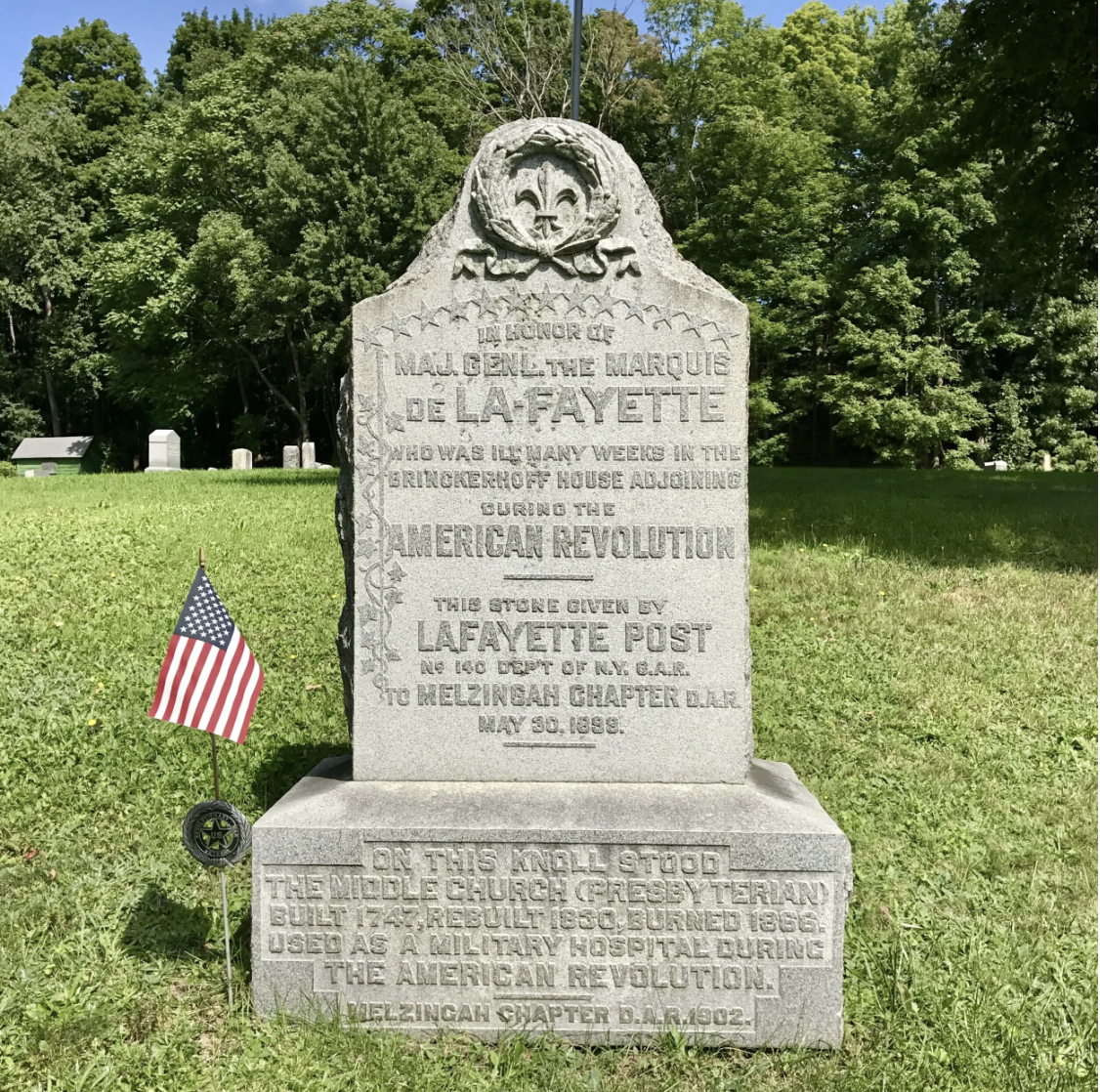
This memorial was dedicated on May 30, 1898, by the Melzingah Chapter, Daughters of the American Revolution. It was given by Lafayette Post No. 140, Grand Army of the Republic.
The marker stands on the south lawn of the Rombout Rural Cemetery, adjoining Phebe’s family home, where the Marquis de Lafayette recovered from a serious illness for several weeks in the fall of 1778.
Phebe Brinkerhoff’s Grave
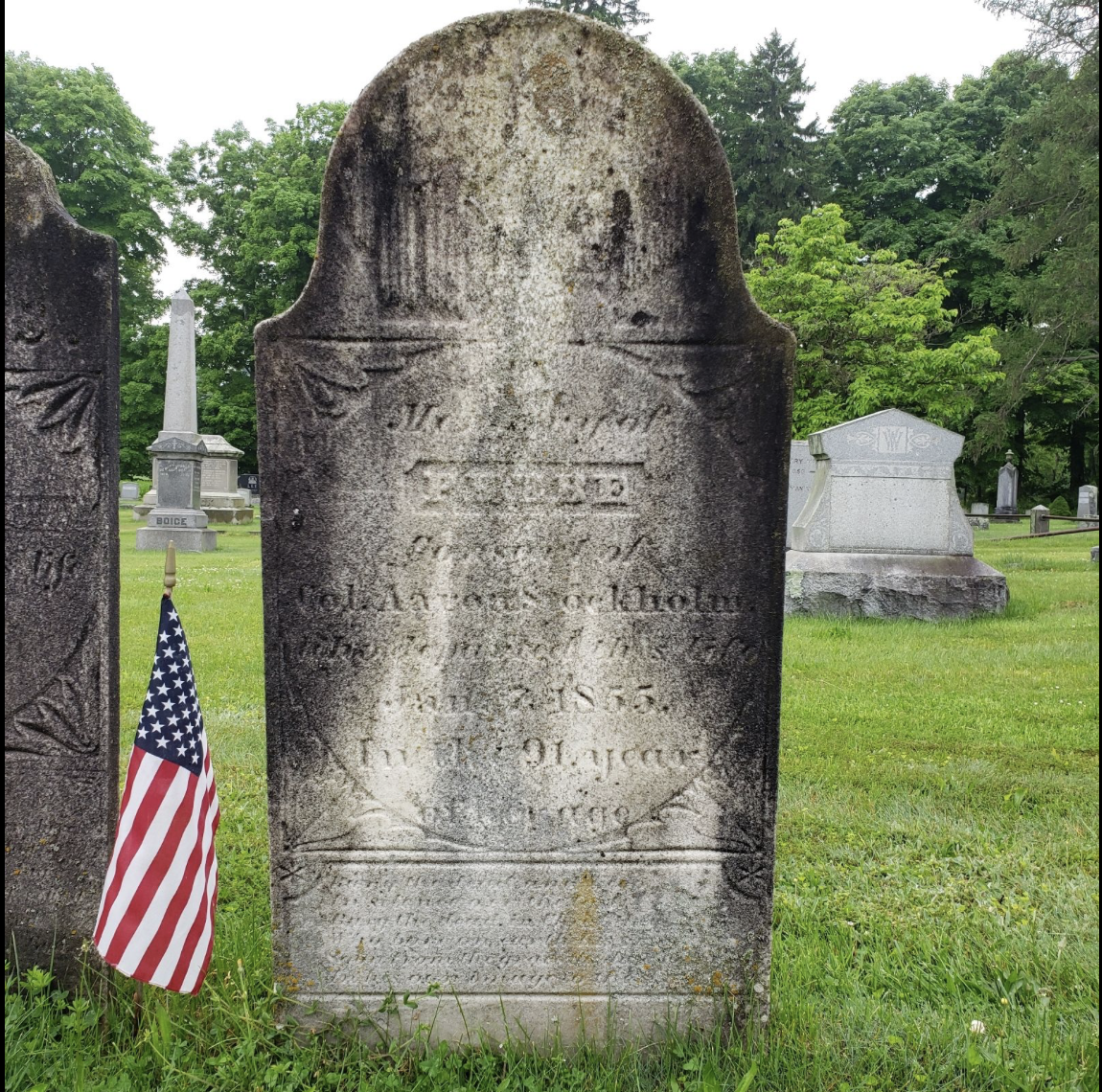
Born in 1764, Phebe Brinkerhoff Stockholm died in 1855 at the age of 91. The inspiration for Phebe’s War, she was the mother of nine children and outlived all but two sons (one of whom died later the same year). She took in orphaned grandchildren, raised them alongside her own, and lived to see the fifth generation. She is buried in Pilgrim’s Rest Cemetery, the historic burying ground of the Hopewell Dutch Reformed Church, of which she was a lifelong member.
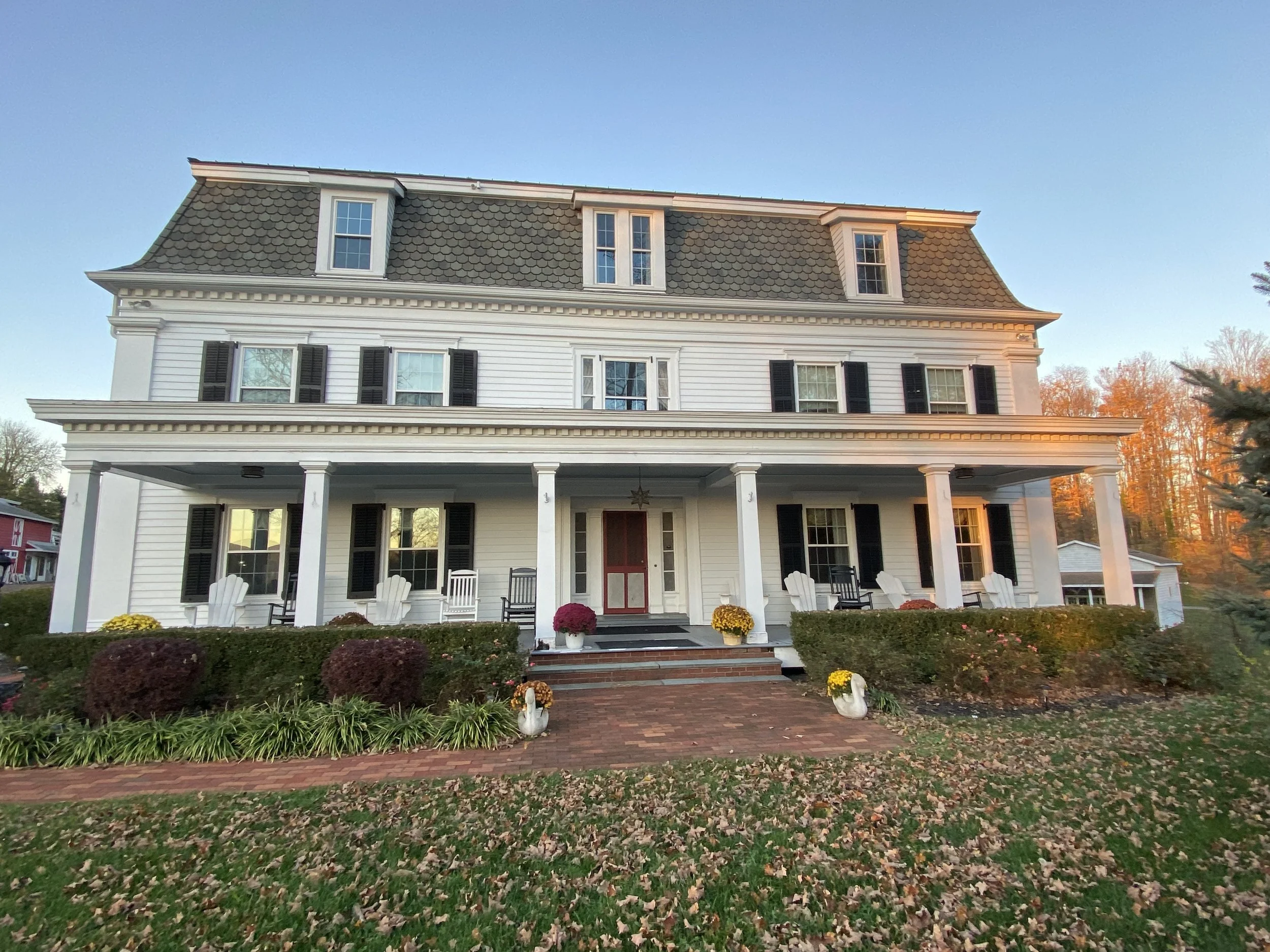
Brinkerhoff Mansion
Phebe’s home as it looks today. Around 1830, the gambrel roof of the home Phebe grew up in was removed and replaced with a single-slant roof. New wood trim was also added to the rooms on the main floor.
In about 1875, that roof gave way to the mansard still visible today. Beneath the modern exterior, the thick stone walls of the two-room house built in the early 1700s by her grandfather, Abraham, remain. The home is just off Route 52 in Fishkill.
Photo Credits
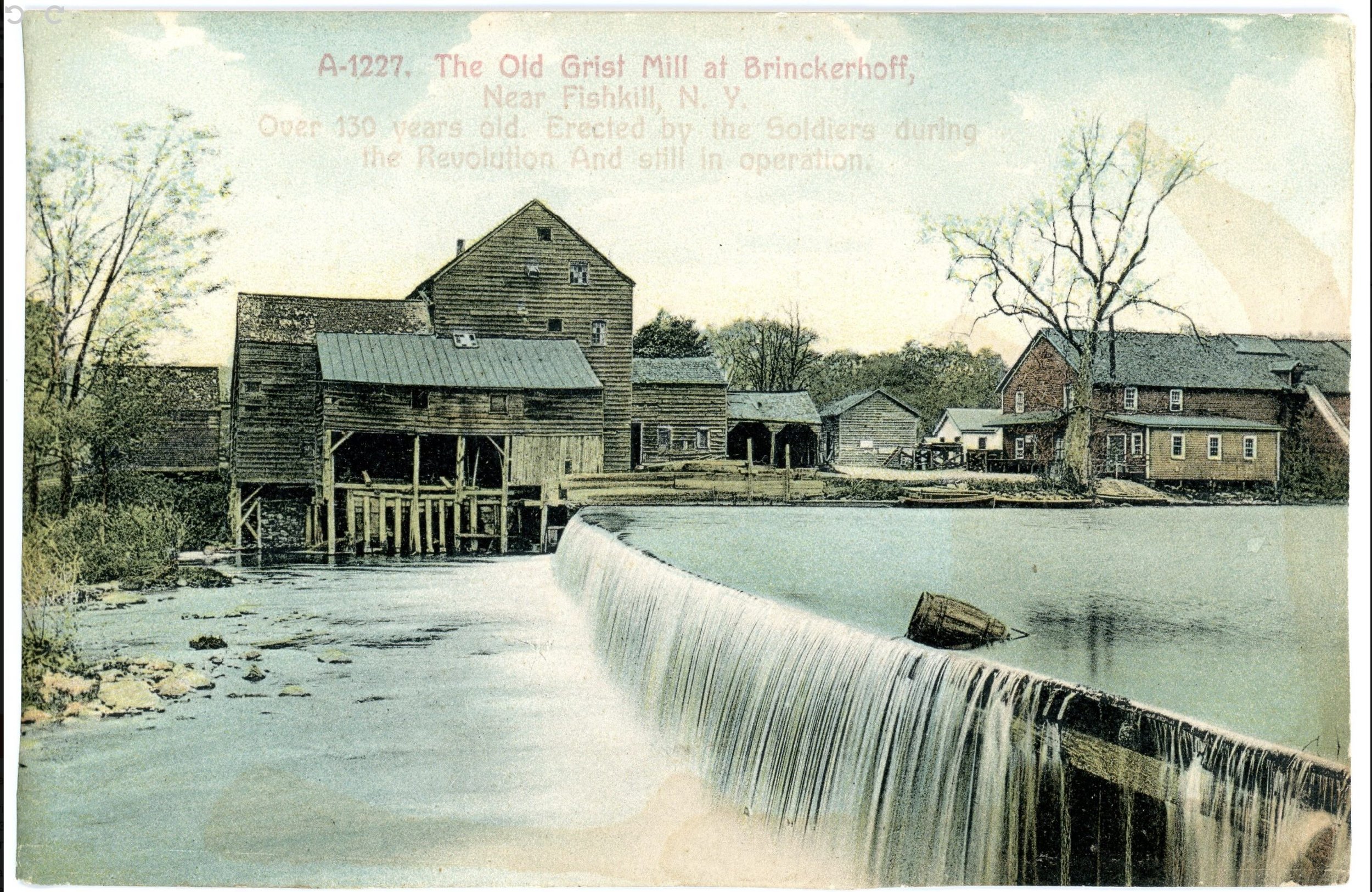
Blodgett Memorial Library Postcard Collection. Blodgett Memorial Library. “Brinckerhoff Mill.” New York Heritage Digital Collections. 1900s. https://nyheritage.contentdm.oclc.org/digital/collection/p16694coll269/id/18/rec/3“View from Fishkill toward West Point” by John Hill: Courtesy National Gallery of Art, Washington.
Phebe Brinkerhoff: AI-generated portrait of Phebe Brinkerhoff, created with Grok Imagine by xAI. Prompt based on historical descriptions and family records.
Spencer Collection, The New York Public Library. "View near Fishkill." The New York Public Library Digital Collections. 1821 - 1825. https://digitalcollections.nypl.org/items/ebf4d800-c6b5-012f-c303-58d385a7bc34
Home Page
The Brinkerhoff Home. From: Dutch houses in the Hudson Valley before 1776 by Helen Wilkinson Reynolds (pub. 1929).
Star Mill. Public domain. “Mill, Brinckerhoff.” The historic Star Mill on Fishkill Creek.
Hopewell Reformed Dutch Church. The seal is from the Hopewell Reformed Church website: http://archive.hopewellreformedchurch.org/historywip/h2.htm; the photo is from From Landmarks of Dutchess County, 1683-1867; Architecture Worth Saving in New York State, by Dutchess County Planning Board (1969).
Trinity Church. The image on the left is a conjectural reconstruction of the original church erected in 1768-1769. Dutchess County Historical Society Year Book, 1917-1918, p. 14; the photo is from the Library of Congress, Prints & Photographs Division, HABS NY, 14-FISH, 1—1.
Fishkill Dutch Reformed Church. The image of the original church is in the public domain. “First Dutch Church, Fishkill, as it probably was built.” Conjectural reconstruction of the original stone church erected in 1731. Dutchess County Historical Society Year Book, 1917-1918, p. 14; the photo is from the Library of Congress, Prints & Photographs Division, HABS NY, 14-FISH, 2-1.
Griffin's Tavern. This reconstruction is based on surviving architectural descriptions of Jacob Griffin's tavern (The Rendezvous), photographs of the extant ruins, and contemporary Dutch Colonial building practices in the Hudson Valley and was created using ChatGPT.
Fishkill Supply Depot. The Van Wyck Homestead is the only surviving building from the original Fishkill Supply Depot. It served as officers’ headquarters from 1776–1783 and is the visual centerpiece of the site today. Dutchess County Historical Society Year Book, 1917-1918, p. 16.
Marquis de Lafayette Memorial. Photo by the Rombout Rural Cemetery Association: https://www.romboutruralcemetery.org/what-we-do
Phebe Brinkerhoff’s Grave. Photo from Find a Grave: https://www.findagrave.com/memorial/131868506/phebe-stockholm
Brinkerhoff Mansion. Photo taken by Michael Coudreaut, November 23, 2022.